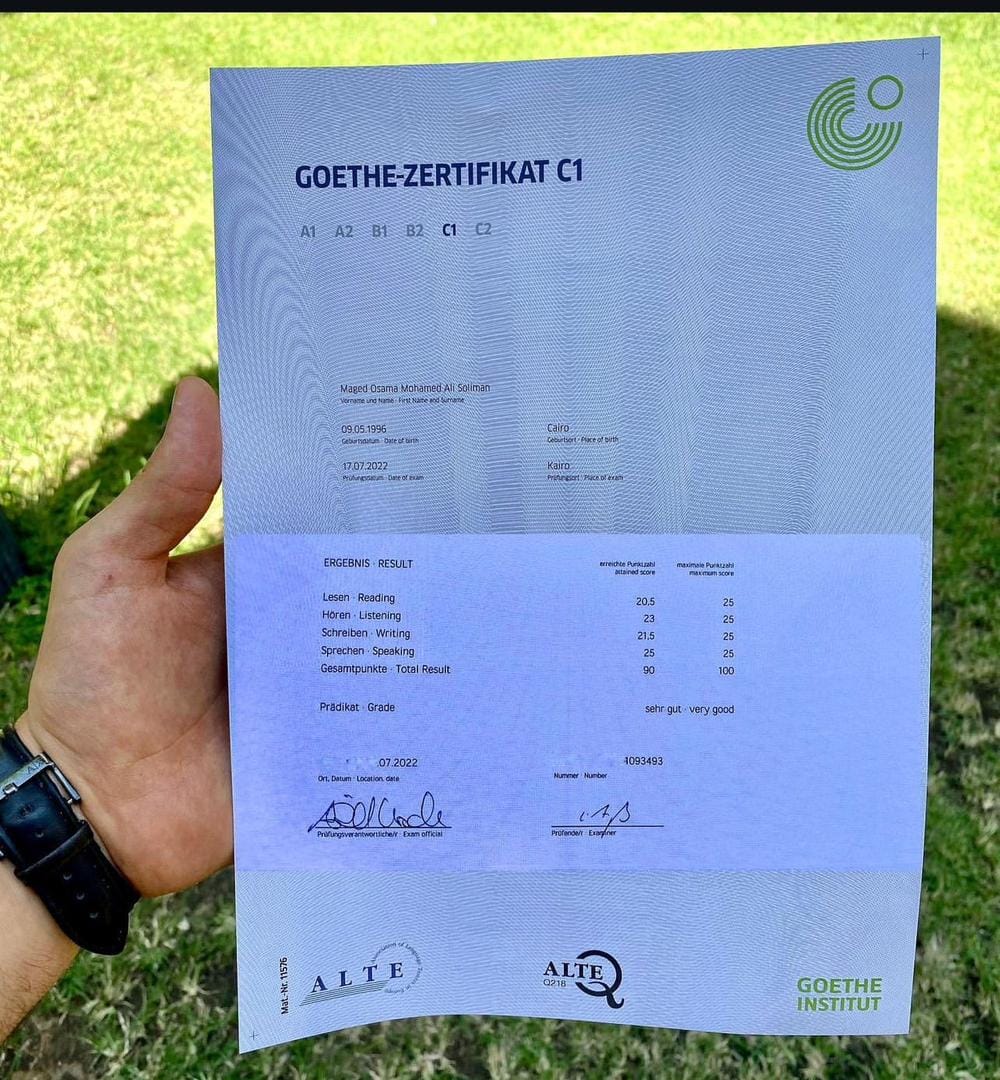
Understanding the German Certificate B1: A Comprehensive Guide
Learning German has actually become increasingly popular amongst language lovers and experts alike. The German Certificate B1 is among the critical milestones for students intending to interact effectively in everyday circumstances. This blog post looks into what the B1 certificate involves, its significance, preparation methods, and regularly asked questions.
What is the B1 Certificate?
The B1 Certificate, formally titled "Deutsch als Fremdsprache" (German as a Foreign Language), is recognized internationally as a middle-level qualification. It lines up with the Common European Framework of Reference for Languages (CEFR), which standardizes language proficiency throughout Europe.
CEFR Levels:
| CEFR Level | Description | Language Proficiency |
|---|---|---|
| A1 | Novice | Fundamental expressions and expressions for daily needs |
| A2 | Primary | Simple conversations and familiar subjects |
| B1 | Intermediate | Understanding main points in texts and discussions on familiar matters |
| B2 | Upper Intermediate | Making clear, in-depth text on different topics |
| C1 | Advanced | Fluent and spontaneous communication |
| C2 | Skilled | Near-native proficiency |
Secret Characteristics of B1 Level:
- Ability to comprehend and use familiar expressions and fundamental expressions.
- Interaction with native speakers is manageable, even in daily situations.
- Understanding of the bottom lines of clear basic input on familiar topics, such as work, school, and leisure.
Importance of the B1 Certificate
Getting the B1 Certificate can significantly boost a student's potential customers, both personally and expertly. Here are some reasons why this certification is important:
- Career Opportunities: Many business and companies look for prospects with a B1 level in German, particularly if they have transactions in German-speaking nations.
- Academic Pursuits: Universities in Germany and other German-speaking nations typically need a B1 level certificate as part of their admission procedure for international trainees.
- Integration Requirements: For immigrants, demonstrating a B1 level of efficiency in German is frequently a step towards getting residence licenses or citizenship.
- Travel and Communication: A B1 qualification equips tourists with the needed linguistic abilities to browse daily life in German-speaking regions.
Preparing for the B1 Certificate
Preparation for the B1 Certificate can vary depending upon the learner's background and language proficiency. Below are some effective techniques to help candidates adequately prepare:
Study Plans
| Study Plan | Description |
|---|---|
| Self-study | Make use of textbooks, online courses, and mobile apps tailored for B1 students. |
| Language Classes | Enlist in structured classes at language schools or through neighborhood programs, typically facilitated by certified trainers. |
| Language Exchange | Partner with German speakers for mutual language learning to enhance conversational abilities. |
| Immersion | Immerse in the culture through media: watch German films, listen to German music, and read news posts in German. |
Key Areas of Focus
Reading Comprehension:
- Short stories, articles, or news reports; practice summarizing primary concepts and extracting information.
Listening Skills:
- Engage with German podcasts, audiobooks, and videos tailored for B1 students.
Speaking Ability:
- Participate in discussions or group conversations with peers or language partners.
Composing Skills:
- Practice composing informal letters, easy essays, and individual e-mails, focusing on clearness and structure.
Recommended Resources
- Textbooks: "Fit fürs Goethe-Zertifikat B1", "Berliner Platz 2"
- Websites: Duolingo, Babbel, Deutsche Welle (DW)
- YouTube Channels: Learn German with Anja, Easy German
Frequently Asked Questions (FAQs)
1. How long does it require to accomplish a B1 level?
The time needed to reach B1 varies substantially among individuals. Usually, it might take anywhere from 350 to 600 hours of assisted learning, depending on the student's linguistic background, motivation, and consistency in practice.
2. What is the format of the B1 exam?
The B1 exam generally comprises four parts: Listening, Reading, Writing, and Speaking. Each part evaluates a various ability set, ensuring an extensive evaluation of the candidate's language efficiency.
3. Where can I take the B1 Certificate exam?
The B1 Certificate examinations are provided at different official examination centers worldwide, such as the Goethe-Institut, telc GmbH, and other acknowledged organizations. this post should inspect specific dates and places on the official websites.
4. What products should I study in preparation for the B1 exam?
It is a good idea to make use of a mix of books, online platforms, flashcards, and practice exams that are specifically designed for B1 students. Signing up with study groups can also improve learning.
5. Can I take the B1 exam without attending a language course?
Definitely! Many trainees successfully get ready for the B1 exam through self-study and online resources. However, official classes can provide structured guidance and skilled assistance, which can be specifically useful.
The German Certificate B1 represents a substantial accomplishment for language students. It not just validates efficiency but also opens doors to numerous chances in personal, professional, and academic worlds. With a concentrated research study strategy, sufficient resources, and consistent practice, anybody can effectively earn this well-regarded accreditation. Welcome Discover More of learning German, and soon you'll discover yourself navigating the complexities of the language with self-confidence!